Kitchen Showcase Strategies with luminis.media Real Estate Photos
The kitchen is where buyers imagine daily life. Coffee at 6:30 a.m., a weeknight pasta, a weekend birthday cake. That is why a kitchen image set has an outsized influence on clicks, showing requests, and final offers. When we create kitchens for the screen, we are not just documenting cabinets and appliances. We are translating light, surfaces, and flow into a narrative that feels effortless. With Luminis Media real estate photography, that translation is deliberate. Every choice, from tripod height to how the faucet throws a specular highlight, serves one goal, helping the right buyer see themselves moving through the space.
Why kitchens drive online interest
Buyers tolerate a basic bedroom or a small secondary bath if the kitchen wins. MLS data and third party platform insights vary, but a pattern holds across markets. Kitchen images consistently rank among the most viewed frames in a listing set. When a buyer saves or shares a property, a strong kitchen lead image often sits at the center of that decision. The return on attention is also practical. Comping a kitchen tells a buyer how much updating they might avoid. Materials, layout efficiency, seating, and sightlines into adjacent rooms telegraph lifestyle and future costs. Good property photography, done with purpose, turns those cues into a clear read at thumbnail size and on large screens.
The Luminis Media approach to kitchen imaging
Real estate photography with luminis.media starts with intent. We talk through buyer profile, price point, and what the kitchen does best. Is it family friendly with an island for four, or a chef’s layout with pro-grade ventilation and work zones. The answers guide our lighting and composition strategy. A Luminis Media real estate photographer carries a range of tools, but we do not deploy them by habit. Some kitchens want ambient light and a quiet grade, others need flash blending to control mixed temperatures and to lift dark cabinetry without muddying tone.
The craft looks simple from the outside. It is anything but. Consider a white kitchen with marble counters and a northern exposure. Morning can be flat. Afternoon often kicks a cooler fill across the sink wall, then warms up near the dining transition. With real estate photos Luminis Media produces, we plan around those variances. Sometimes it is a 10 a.m. Window pull on a clear day to balance view and interior. Other times it is a stack of frames, bracketed and blended to hold sky detail, keep whites clean, and still let the undercabinet lighting read.
Pre-shoot collaboration that saves the day
No amount of post work rescues clutter or poor prep. The cleanest, most inviting kitchen galleries start days before the shoot. Agents know this, sellers sometimes do not. We keep the conversation friendly and specific, because small choices make a big visual difference.
- Remove counter appliances and soap bottles, leave one or two intentional pieces that fit the price point.
- Clear fridge faces, tuck away magnets and papers that distract the eye.
- Polish stainless and glass, then do a final wipe ten minutes before we start shooting.
- Replace any dead bulbs so all fixture temperatures match as closely as possible.
- Stage bar stools, cutting boards, or a bowl of citrus to shape lines and color without cluttering surfaces.
That list is uncomplicated. It also addresses ninety percent of what complicates kitchen shoots. When these basics are in place, Luminis Media listing photography can move faster on site and reserve more time for dialed compositions instead of tidying.
Timing the light
Most kitchens straddle natural light, overheads, and accent fixtures. The tension between them either flatters a room or fights it. Our first step is to read the sun and the exposures we can hold. A south facing kitchen with a deep eave may still clip highlights if we insist on shooting right at noon. We often suggest bookending the day, early light for a cooler, crisp look, late afternoon for warmth and drama. For cloudy markets, even illumination can be ideal, though we bring small strobes to add micro-contrast to dead corners.
Window pulls get special attention. We often mask a single frame for the view where it sells value, for instance a garden, skyline, or pool. But we avoid the cartoonish look that happens when interiors are overly bright and the view is midnight dark. Real estate photography by Luminis Media respects believable dynamic range. The final image should feel like what a buyer experiences when they step into the kitchen at that hour.
Composition that communicates layout
A good kitchen shoot answers three questions within seconds. Where is the island relative to the cooking run, how do you move from sink to range to fridge, and where does the kitchen open to next. Those are workflow and lifestyle cues, and they are best delivered with positioning and lens discipline.
We keep verticals true and avoid the temptation to go ultrawide. Somewhere between 16 and 24 millimeters on a full frame body usually covers most kitchens. We nudge the tripod height so counters level out and bar seating feels inviting. Too low and stools dominate. Too high and you lose the depth of the countertop plane. On corner-heavy layouts, we inch forward until converging lines stop pulling the viewer sideways. In luxury real estate photography by luminis.media, we may bring a tilt-shift lens to maintain geometry, especially if the kitchen has tall cabinet runs or feature shelving that will punish sloppy perspective.
We are not afraid of a clean, single point composition when a kitchen earns it. A centered cooktop with a sculptural range hood, flanked symmetrically, can be a strong hero frame. But symmetry is a spice. More often, we build diagonal flow from foreground to background, letting an island corner lead into the room, or anchoring the frame with a pendant and working from there.
Managing color, from Kelvin to cabinets
Mixed color temperatures are the silent killer of kitchen photos. Warm pendants, cool LED cans, northern window light, and the green from a stand of trees outside will push whites into ugly territory. A luminis.media real estate photographer starts with measurement and logic. We sync in-camera white balance to the dominant light and then strike a balance in post. Where the space allows, we will switch off some fixtures if their temperature fights the room. Under cabinet lighting often trends to a different Kelvin than ceiling cans. If that creates banding or inconsistent color across the backsplash, we solve it with careful lighting or controlled frame blending rather than accepting patchwork results.
Cabinet paint deserves its own note. Off whites and grays carry subtle undertones that go sour when pushed. We avoid heavy-handed global adjustments that flatten those tones. Luminis Media property photography is built to look natural in both MLS compressions and on high resolution displays. That means controlled contrast, gentle clarity, and masking that protects edges around shiny hardware.
Taming reflections, glass, and metal
Polished stone, paneled refrigerators with sheen, glass cabinet doors, lacquered islands, they all act like mirrors. The job is to pull detail without peppering the frame with hot spots and ghosted reflections. A circular polarizer helps, but only to a point. It can kill the life in a marble if you crank it too far. We use it sparingly to cut the worst glare, then rely on angle choice and small flags to keep unwanted reflections out.
On site we often kill down-room brightness, shooting with shades partially drawn to soften hard window lines in reflective surfaces. Stainless appliances take a gentle approach. Instead of blasting them with direct flash that creates a harsh bloom, we feather light off a ceiling or bounce into a card at a shallow angle. The result is a gradient that reads dimensional and expensive, not cheap and flat.
Staging that reads on camera, not just in person
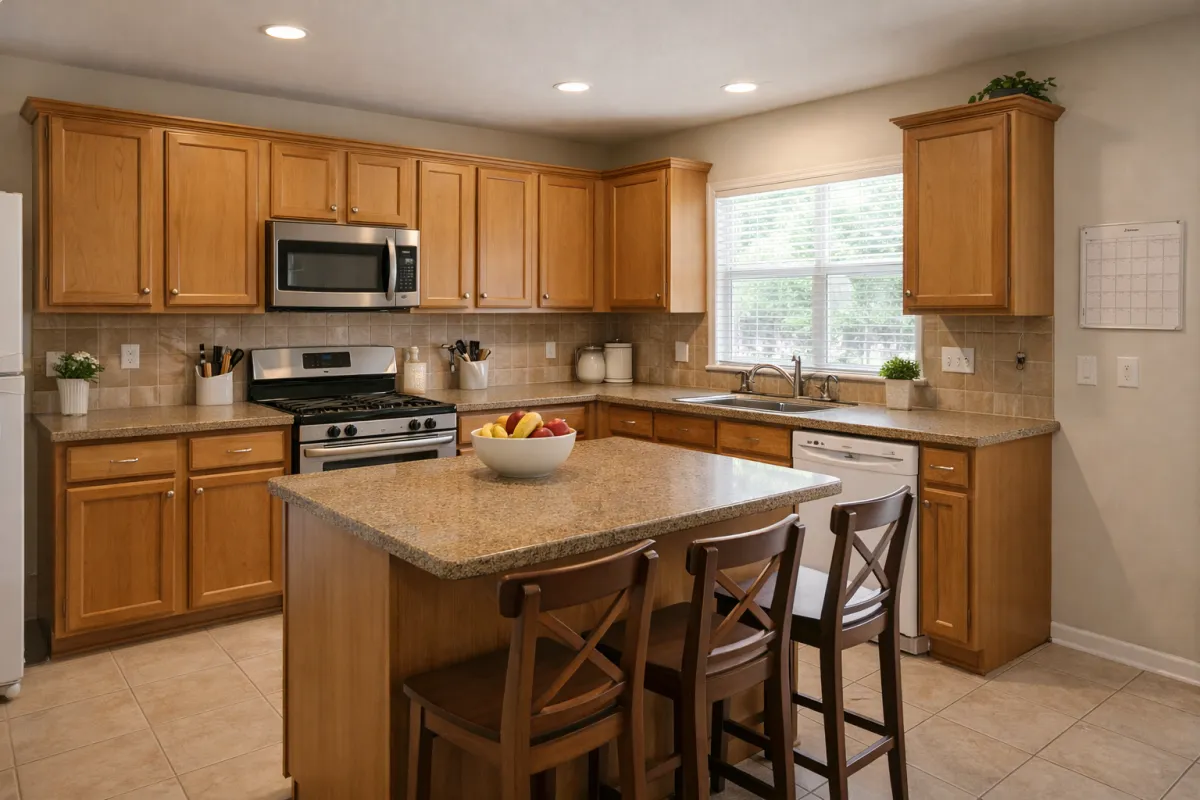
Pretty accessories in person can disappear at 24 millimeters. We choose items that carry shape and color at distance. A narrow vase with eucalyptus, a low bowl with green apples, a linen runner to break up a long island, a single cookbook with texture. The goal is to add scale and life while keeping counters work ready. And we check sightlines. That great vase may be perfect from standing height, but from 48 inches on a tripod it might upstage the sink or chop the faucet.
In homes where the seller must live through showings, we often propose a two-tier approach. Stage light for the photos, then replace daily-use items so living remains sane. Agents appreciate this honesty, and the seller feels taken care of. For luxury real estate photography with Luminis Media, we coordinate with stylists when needed, particularly for editorial campaigns or builder marketing.
Flash, ambient, or both
There is no single right answer. Ambient-only sets can sing, especially in a window-rich kitchen with consistent light temperatures. Flash-only can look clinical. Our default in many real estate photography luminis.media shoots is a hybrid approach. We build a base ambient frame that captures the mood, then layer in flash frames to lift cabinetry and to neutralize problem color casts. The trick is restraint. Flash should clean and define, not announce itself.
Placement matters. A small strobe aimed into the ceiling above the camera can create a soft source that mimics a big skylight. Another strobe across the room, flagged to avoid direct reflections, can balance shadowed corners. When we do need a window pull, we underexpose the view by just a breath so the scene stays believable.
The hero shot and the sequence
Online viewers scroll fast until something stops them. The first kitchen image needs to anchor the listing. It should express the best feature within three seconds. That might be an island with a waterfall edge, a vaulted ceiling with beams, or a framed pass-through to a courtyard. We usually deliver two hero options for the agent to A/B test in the first 24 hours, swapping the lead based on engagement.
Then comes the sequence. We design a visual walk, wide establishing frames first, then mids that clarify storage, appliance quality, and seating. Detail frames are optional in MLS but powerful in marketing, especially for builder portfolios and social. Soft close drawer hardware, integrated spice pullouts, apron front sinks, inlay floors, these add perceived value when handled with taste. Luminis Media real estate photos aim for a rhythm, not a dump of similar views. Variety keeps the buyer moving.
Small kitchens need different math
Compact kitchens sell on layout and efficiency. The temptation to go wider is real. We resist. Pushing beyond 16 millimeters will misrepresent depth and turn a three-foot aisle into five. Buyers feel that mismatch at showings, which costs trust. Instead, we craft angles that reveal storage and work triangles without exaggeration. A lower camera height can help a galley feel less pinched. We also clear visual clutter that shrinks space. Five spices in matching jars may be cute, fifteen is noise.
Sometimes small kitchens benefit from one overhead image. Not a drone, just a safe elevated shot to show flow when floor plans are unavailable. We use it sparingly and only where it reads clean. For rentals, where tenants might not tolerate deep property photography spring tx luminis.media staging, we focus on clean lines, accurate color, and honest coverage. Real estate photos luminis.media produces for rentals often convert through clarity, not theatrics.
Luxury kitchens demand editorial control
At the top of the market, finishes punish sloppy technique. Rift-sawn oak, honed marble, unlacquered brass, handmade tile, each has a unique surface character. We slow down. A luxury real estate photography luminis.media session might include dedicated time for micro-adjustments and a color checker to protect the palette. We work with the builder or designer to confirm what must read true. Some luxury pendants look best dimmed down. Some bespoke stones photo better with a slight offset to avoid catching a directional reflection. These are not generic choices, they are collaborative.
The deliverables expand too. Alongside MLS-optimized frames, Luminis Media property photography for luxury listings often includes editorial crops for magazines, verticals for social, and black and white selects for press kits. The files are graded for multiple outputs so brand color holds whether the image sits on a glossy brochure or a phone screen.
Video that translates workflow and light
Stills do heavy lifting, video closes the loop on flow. With Luminis Media real estate videography, we plan kitchen sequences that show how a person moves, not just where elements sit. A short push-in past the island, a pan that catches the way light slides across the backsplash at 5 p.m., a tilt that reveals the beam detail above the cooktop. Overcranked shots of a pot filler are gimmicky unless the buyer cares about culinary features. We choose motion shots that support the story and the segment.
For social, we keep cuts brisk and music aligned with the target audience. For longer property films, we let the kitchen breathe. The goal is to make the viewer want to stand in that room. Real estate videography by luminis.media is not about flashy transitions. It is about presence. Where brand allows, we include a brief lifestyle beat, a hand setting a bowl on the island or sliding a bar stool, to cue scale and use.
Editing with a light hand and a sharp eye
Post production is where restraint shows. Over-smoothing surfaces or over-sharpening tile kills realism. Our philosophy at Luminis Media real estate photos is to aim for a clean, true rendition. We correct lens distortion, protect verticals, and maintain believable dynamic range. Shadows should exist, just not swallow the base of dark cabinets. Highlights should sparkle on fixtures without clipping. Color grading is conservative, often a slight warm lift in late-afternoon sets, or a neutral anchor for crisp morning shoots.
We maintain a calibrated workflow so whites are actually white. That avoids the cyan creep common in LED-heavy rooms. On delivery we provide MLS-compliant sizes, high resolution marketing files, and web-optimized versions for speed on property sites. Agents appreciate not having to guess which file goes where. For teams that run analytics on listing performance, we also supply image naming that supports A/B testing of cover frames.
A streamlined day-of process
When agents ask what to expect on site, we emphasize three things, pace, respect for the homeowner, and an extra five percent of effort where it counts. A typical kitchen set might take 45 to 90 minutes depending on size and complexity. We start by walking the space, killing unnecessary lights, adjusting blinds, and placing simple stage elements. Then we build the lead frame, dialing angle and exposure while the owner or agent sees the first preview. This creates buy-in and surfaces last-minute tweaks.
- Confirm light strategy for windows and fixtures based on current conditions.
- Set tripod height for counters and seating to read correctly.
- Decide the hero frame and two alternates before moving to coverage.
- Capture a clean ambient base, then layer flash frames as needed.
- Review on site, zooming to 100 percent on a few key details to ensure sharpness and cleanliness.
Simple, consistent, calm. It is surprising how much this reduces reshoots. For occupied homes, we stay tidy, move slowly, and ask before touching personal items. Respect on site yields referrals later.
MLS accuracy without losing charm
Every market enforces standards. Some MLS systems have strict rules around wide angles or extreme window pulls. We build compliance into our process so images pass moderation without downgrading appeal. If a dramatic window view is the selling point, we balance it, keeping the interior honest. Floor-based compositions that make a room look three feet longer are avoided. Agents who list with Luminis Media listing photography get consistency. Sizing, naming, color, and geometry pass the tests, while the set still looks inviting and modern.
Common pitfalls and how we avoid them
Blue-tinted ceilings from cool cans and warm pendants mixing, solved by selective lighting and careful balanced grading. Cabinets reflecting a cluttered opposite wall, solved by cleaning the sightline and adjusting camera angle. Water spots on a stainless fridge that looked fine to the eye, solved by a pre-shoot wipe and a quick check at 100 percent zoom on a live tether. A backsplash tile pattern creating moiré at web resolution, solved by micro shift in angle and a mild anti-aliasing pass in export. Each of these shows up regularly. We solve them by expecting them.
Turning photos into marketing assets
Images do not sell unless they are seen. We advise agents to plan distribution the day they schedule the shoot. A strong kitchen hero becomes the lead on the MLS, the first frame on the property site, and the second or third tile on social. Vertical crops fuel reels and stories. Carousel posts perform well when they start with a wide, pause on a mid, and finish on a detail. Luminis Media real estate videography cuts can join that plan with 10 to 20 second kitchen segments, optimized for mobile platforms.
Agents often ask about ROI. The answer varies with price point and market heat. What we observe consistently, kitchens with professional imaging shorten time to first showing and reduce the number of questions about updates. Fewer questions early usually means more serious buyers at the door. Over a season, that translates to stronger negotiation positions, especially when the kitchen is the home’s differentiator.
Working with constraints
Not every kitchen is photographed in perfect conditions. Tenants may be present, electricians might be swapping pendants an hour late, or the weather refuses to cooperate. The practical response is a flexible plan. If a storm rolls in, we shift to tighter coverage that leans on interior light and reschedule a single hero frame for the next bright day. If pendant installation runs behind, we frame to minimize empty junction boxes and return for a quick pickup shot, folding it into the set without fanfare. A Luminis Media real estate photographer carries backup bulbs, extra microfiber cloths, and small tools. That ten dollar kit saves expensive delays.
When to add twilight
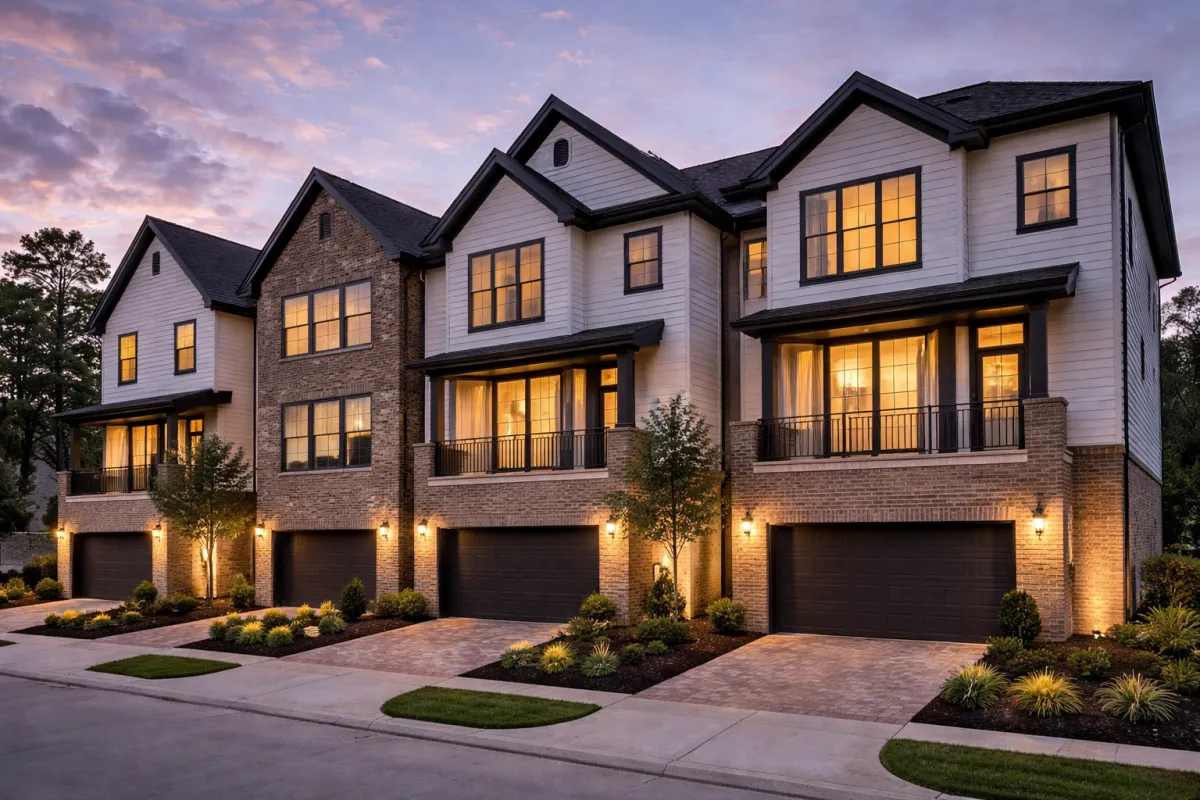
Twilight kitchens are special when the room opens to a patio, pool, or skyline. The blue hour outside shapes a color contrast that makes warm interior lighting feel luxurious. We coordinate timing so the kitchen’s windows do the heavy lifting. Flash is used minimally, mostly to open dark cabinetry. The rest is exposure discipline and patience. Real estate photography Luminis Media teams produce at twilight tends to become a signature image for the home’s online presence, often repurposed for ads and postcards.
The human factor
Some of the best kitchen images come from soft skills. Calm direction with homeowners, clear expectations with agents, and a willingness to move a toaster without commentary. We have been on shoots where the seller spent the morning baking. The smell is wonderful, the mess less so. We reset counters with care, shoot efficiently, and leave the space as we found it. Professionalism is not just nice. It keeps schedules intact and referrals steady.
A closing note on consistency
Buyers notice style, even if they cannot name it. Agents building a brand benefit from a recognizable visual language. With Luminis Media property photography, that language is clean, honest, and quietly aspirational. It means straight verticals, restrained color, believable light, and compositions that honor the architecture. It also means delivering on time, labeling files sensibly, and answering the phone when plans shift. Real estate photographer Luminis Media teams earn repeat work not on tricks, but on competence and care.
Kitchen images are the hinge of a listing’s story. Done thoughtfully, they accelerate interest and set expectations that the rest of the home real estate photography can meet. Whether we are shooting a compact condo galley or a 500 square foot chef’s kitchen, the principles hold. Respect the light, shape the story, and let the room breathe. When we do, buyers lean in, agents stand out, and the photos carry their weight across every channel.